It was a patient who made a lasting impression on me and confirmed for me a valuable lesson.
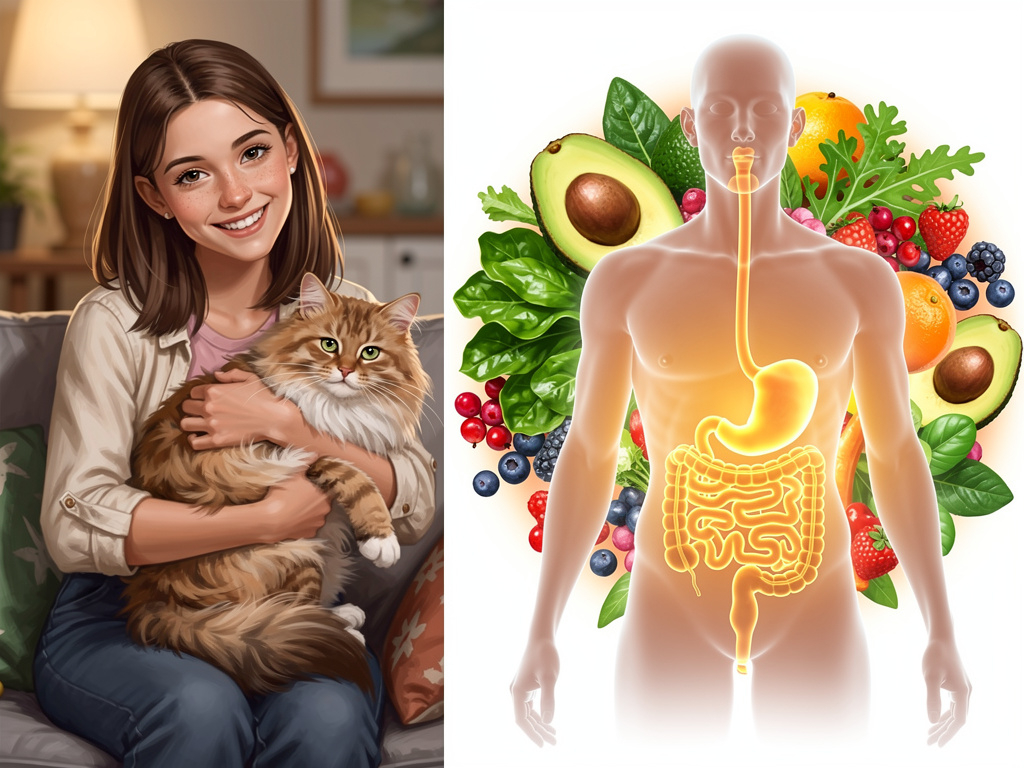
It was within the first few years of my clinical practice. A woman in her 20s had come for treatment of her severe asthma and allergies. She also knew what it was that she was allergic to: her cat. She took two or maybe three allergy medications daily to keep herself not simply functional, but out of the hospital due to the severity of her attacks.
Being relatively new to the profession I was relying heavily upon a simple therapy, one it didn’t take years of clinical experience to master: an elimination diet. After all, it had been repeated ad nauseum in school that “good health starts in the gut.” I had understood the phrase to be something like a reminder to give some attention to every patient’s digestive health.
I don’t recall this particular patient complaining about her digestion, but to her chagrin I prescribed an elimination diet. She assured me that her allergies were to her cat, not to food. If she pets her cat and then without thinking touches near her eyes, the allergic reaction was immediate and severe: eyes swollen, watering, red, and itching, with sneezing soon to follow.
I acknowledged her resistance to the thought of doing that diet but assured her she could do it and that it would give us important information. I suspect I had my fingers crossed behind my back in hopes that I was right about that.
She finally agreed to do it, prepared herself and her kitchen pantry for the challenge, and dove into the three-week elimination diet process. This diet involves complete avoidance of gluten, dairy, eggs, soy, nightshades, corn, sugar, nuts, alcohol, and coffee. It seems Draconian, I know, but it is really a diet of whole (unprocessed) foods. At the end of three weeks, each food group eliminated is brought back in, one by one, to see if there is a noticeable return of any symptoms.
Around week two of the diet I had a follow-up with her in the office. She was astonished to find that she was no longer having an allergic reaction to her cat! She knew this because the day before she had petted her cat and, without thinking about it rubbed her eye, but she had no reaction at all. She couldn’t recall a time when this reaction hadn’t happened previously.
Excellent! I told her we have a great test: when bringing each food back into her diet, about 1 hour after the introduction meal, I told her to pet her cat and then rub her eye. It was the perfect test to identify the culprit.
She returned after introductions were complete and told me how it had gone. There was no reaction to her cat following introduction of gluten, dairy, or eggs. I was quite surprised because most people react to at least one of those food categories. Then she introduced soy, waited an hour, and did the test. The allergies and asthma attack that quickly ensued were so severe she nearly ended up in the ER. It was a harsh price to pay but now she knew what was causing the allergic reaction to her cat. Nothing else on the introduction list caused any reaction.
She maintained a diet that was completely soy-free and was able to live with her two cats without any allergy or asthma symptoms. She continued to follow up with me on occasion over the next four or five years to address other health issues that came up. I would always check in about her allergies. She said as long as she completely avoids exposure to soy she has no issues. When dining out, even if she requests her meal be made with no soy (as oil or additive), she could always tell if some was in it because allergy symptoms would show up for a while when she got home.
Why would eating soy cause her to be severely allergic to her cats? I have no idea. As I am continuously reminded in this line of work, bodies are weird. Over the years I have had many dozens of patients who are sicker than they should be, all things considered, and many dozens of others who are healthier than they should be, all things considered. Doctors and patients alike create stories to explain why they feel the way they feel, stories that typically involve some combination of genes and polymorphisms, toxins and toxicants, nutrients, past or ongoing traumas, underlying infections, and more. And yes, any or all of these could be playing a role in any given patient’s symptoms.
But as naturopathic doctors have been saying for over 100 years, good health starts in the gut. I suspect many have heard of the “gut-brain axis,” a phrase that describes the two-way communication that is continuously taking place between the bacteria of the microbiome and the neurons in the brain. It is via this axis of communication that mental states (stress, trauma, etc.) disrupt our guts. Conversely, the state of our guts can impact and dysregulate the functioning of our brains. In fact, there have now been at least 25 organs now known to have an “axis” with the gut microbiome, including the liver, spleen, skin, heart, bones, kidneys, pancreas, thyroid, and others. Just as dysfunction in any of these organs can disrupt the function of the gut, so too can imbalances in the gut (“dysbiosis”) cause dysfunction in those organs.
No part of our bodies and no symptoms we experience are completely disconnected from any others. While conventional medicine treats diseases and their symptoms in isolation, naturopathic medicine is built on the idea that symptoms can only be understood within the context of the integrated whole. The gut is the central communication hub, constantly sending and receiving information to and from the entire network of cells that make us up.
There are countless ideas for how to best assess the health of the microbiome and to correct the underlying imbalances that might be identified there. After over a decade of research into the activity of various bacterial species in the gut, I have found myself in a very small group of practitioners who believes that virtually all changes happening in the gut, even those we call “dysbiosis,” are best understood as attempts to correct an underlying problem. Everything about our bodies is designed to do that, and I see no reason to think that the gut is an exception. I believe dysbiosis won’t be fixed in the long term without understanding the problem the gut is trying to correct.
The microbiome is continuously modifying itself based upon what we eat and when we eat it. For many people, this means that improving overall health will require perhaps the most difficult therapy of all to implement: a change in what and when you eat. If you would like to learn more about specific ways to assess the health of your gut and specific dietary changes I believe can enhance the health of every organ that has an axis with the microbiome, schedule a consultation with me: https://olivedrab-lyrebird-181492.hostingersite.com/schedule, drnigh_info@olivedrab-lyrebird-181492.hostingersite.com, or 503-719-4806. Mention this article as your inspiration for scheduling to get 15% off your consultation.