
There are several conditions that now seem quite prevalent that were not on my clinical radar at all for the first decade-or-so of my practice. These include a connective tissue disease called Ehlers-Danlos Syndrome (EDS), SIBO, severe autonomic nervous system dysregulation, and perhaps most prominently, mold-related illness. I honestly don’t know if I just wasn’t paying attention, or if the prevalence of these (and other) conditions has actually increased over the past decade. I suspect the latter, but I don’t know.
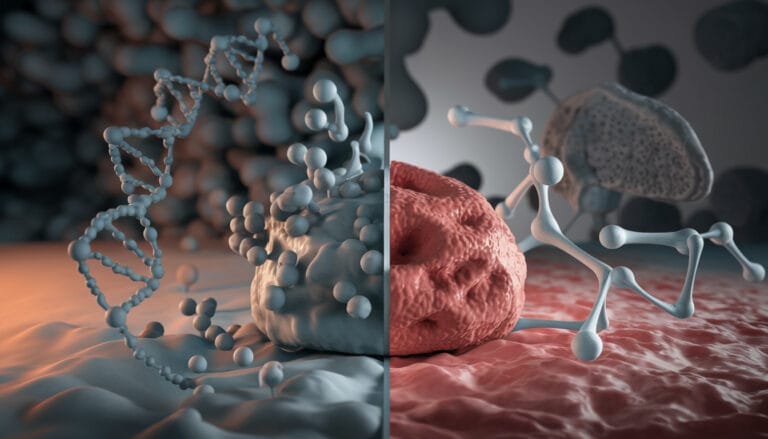
Mold is virtually ubiquitous in the natural world, but that’s not the stuff that causes health problems. It is the mold growing in basements, bathrooms, behind walls, and in other confined areas without adequate ventilation that causes some devastating health issues for many people. Beyond the environment, foods are also a source of mold. Grains including corn, nuts, fruit, and others, both conventionally and organically grown, can harbor mold. Many types of mold produce chemicals called mycotoxins which, as you might have guessed, are toxins.
There are over a dozen different mycotoxins produced by molds that grow in water-damaged buildings or other humid environments. These can cause a wide range of symptoms, ranging from an annoying runny nose or stuffy sinuses, to profound neurological symptoms, irregular heart rate, immune suppression, kidney and liver dysfunctions, cancer, and more.
In addition to the direct toxic effects that can come with mycotoxins in circulation, they also create an internal environment that is conducive to fungal overgrowth in the sinuses and/or the gastrointestinal tract. These fungal colonizations can make it extremely difficult to eradicate secondary digestive conditions such as SIBO, IBS, chronic diarrhea, and others, in addition to immune system hyperreactivity.
Assessing the presence and extent of the problem is the first step in creating an appropriate treatment program. It is often necessary to test the living space for the presence of mold spores and/or mycotoxins. Even if none are present it is possible to find, upon testing the patient, that mycotoxins nevertheless are in circulation and being excreted through the urine, lingering from an exposure that might have happened a decade or more previously.
Clues that mold might be playing a role in your health issues:
- Having lived in a place with visible mold
- Noticing a decline in your health since having lived in a particular place
- Being very sensitive to musty smells
- Feeling any new symptoms, however slight, upon walking into a new environment
- Increasing sensitivity and reactivity to foods or chemicals that used to be fine
- Chronic sinus congestion in spite of diet changes or other treatments
These are just a few of the most obvious symptoms that can serve as clues to uncover a current or past mold exposure.
Once testing is completed and the type and severity of mold/mycotoxin exposure is established, the next step is treatment. While there are many therapies that are relevant to a wide range of mycotoxins, there are many others that are unique to each one. Typically the treatment process involves a nuanced combination of exposure mitigation, mycotoxin elimination, and immune system regulation. How aggressively any of these is carried out is highly individualized, depending on each patient’s tolerance.
If you have a history of known or suspected mold exposure along with health issues that don’t seem to be resolving with consistent treatment, consider scheduling a consultation to establish the most appropriate type of testing. Email Lisa at drnigh_info@olivedrab-lyrebird-181492.hostingersite.com, call 503-719-4806, or visit https://olivedrab-lyrebird-181492.hostingersite.com/schedule to set up a time. Mention this article when you schedule prior to August 1 and I’ll slice 20% off the cost of the consultation, whether it is as a new patient or a follow up. As a footnote, I was trained/certified in mold testing and treatment by Dr. Jill Crista. She is brilliant and has, in many ways, set a new standard for this medical specialty. During the training she commented that often the most difficult obstacle to overcome when treating a patient for mold-related illness is the patient’s insistence that mold isn’t their problem because they don’t know of any mold exposure they’ve had. Just sayin.