
Gut Microbiome Healing: The Ultimate Guide to the Perfect Stool
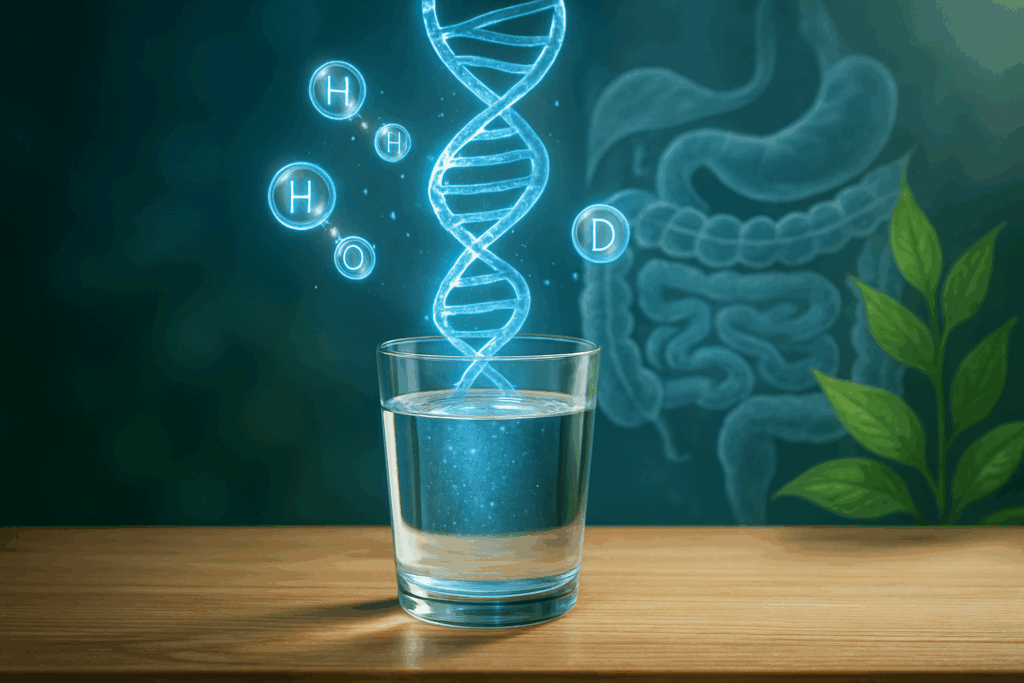
Explore the surprising impact of the water you drink on your gut health in this episode with Dr. Greg Nigh. Learn about deuterium-depleted water, sulfur metabolism, hydrogen sulfide SIBO, and their connection to digestion, energy, and wellness. Get actionable advice on ketogenic and carnivore diets, plus insight into emerging therapies like peptides and infrared light. Hosted by Lindsey Parsons, a certified health coach specializing in gut and autoimmune health.
Is Deuterium Sequestering by Reactive Carbon Atoms an Important Mechanism to Reduce Deuterium Content in Biological Water?
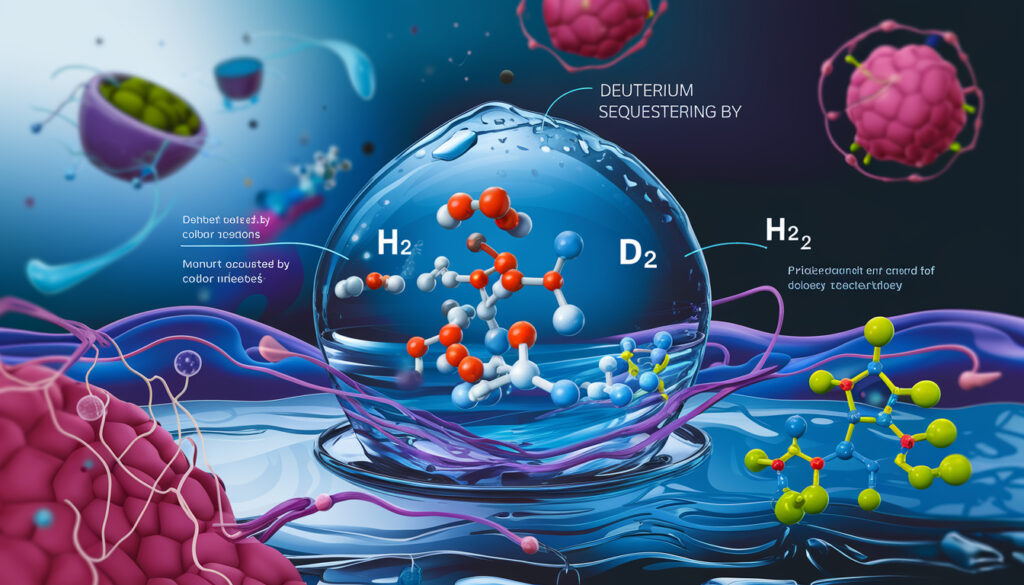
Deuterium is a natural heavy isotope of hydrogen, having a neutron as well as a proton. Deuterium disrupts ATP synthesis in mitochondria, causing increased production of reactive oxygen species and reduced synthesis of ATP. Gut microbes likely play a significant role in providing deuterium depleted short chain fatty acids (SCFAs) to human colonocytes through hydrogen gas recycling. The production of deuterium depleted (deupleted) nutrients necessarily leaves behind deuterium enriched water, unless there is a process that can sequester deuterium in small molecules that are excreted through the feces. Here, we provide evidence that a small number of classes of uniquely structured carbon-nitrogen rings and bis-allylic carbon atoms in certain biologically active small molecules may play a crucial role in sequestering deuterium for export into feces or urine. Specifically, we have identified the imidazole ring present in histidine, histamine, and microbial derivatives of histidine, the tetraterpenoid lutein, bilirubin and the derivatives urobilinogen and stercobilinogen produced by gut microbes, and the bis-allylic carbons in polyunsaturated fatty acids as likely candidates for sequestering deuterium and thereby reducing the deuterium levels in the water-based medium. Normally, carbon atoms never exchange their bound protons with deuterons from the medium, but all the above classes of molecules are important exceptions to this rule, as has been shown experimentally.
Autoimmune and Neoplastic Outcomes After the mRNA Vaccination: The Role of T Regulatory Cell Responses

Written in Part by Dr. Greg Nigh, ND, LAc.,
Is Autism a PIN1 Deficiency Syndrome? A Proposed Etiological Role for Glyphosate
Written in Part by Dr. Greg Nigh, ND, LAc.,
Bell’s palsy or an aggressive infiltrating basaloid carcinoma post-mRNA vaccination for COVID-19?
A case report and review of the literature
Mitogen Activated Protein Kinase (MAPK) Activation, p53, and Autophagy Inhibition Characterize the Severe Acute Respiratory Syndrome Coronavirus 2 (SARS-CoV-2) Spike Protein Induced Neurotoxicity
Written in Part by Dr. Greg Nigh, ND, LAc.,
A Potential Role of the Spike Protein in Neurodegenerative Diseases: A Narrative Review
Written in Part by Dr. Greg Nigh, ND, LAc.,
Malnutrition and Cancer
Written by Dr. Greg Nigh, ND, LAc.
Water vs. Diet Beverages – Written by Dr. Greg Nigh, ND, LAc.
Book Review: Nutritionalism
Conference on the Physics, Chemistry and Biology of Water

Dr. Nigh has spoken three times in Europe at the annual international conference on the Physics, Chemistry, and Biology of Water.